
Toilets
Which part fails decides the repair. A flapper or fill valve is replaced when water keeps running into the bowl, the seal when the toilet rocks, and the whole toilet when the bowl or tank cracks.
This page covers faucets, toilets, shower valves and disposals that drip, run, stick or jam, and it sets out the Texas permit rule for swapping one fixture for another.
Where a part is worn, the plumber replaces the part; where the whole fixture has failed, the fixture is replaced.
Which part fails decides the repair. A flapper or fill valve is replaced when water keeps running into the bowl, the seal when the toilet rocks, and the whole toilet when the bowl or tank cracks.
A faucet that drips or sprays sideways may need a new cartridge or seat, and a corroded or loose faucet is replaced, in a kitchen or a bathroom alike.
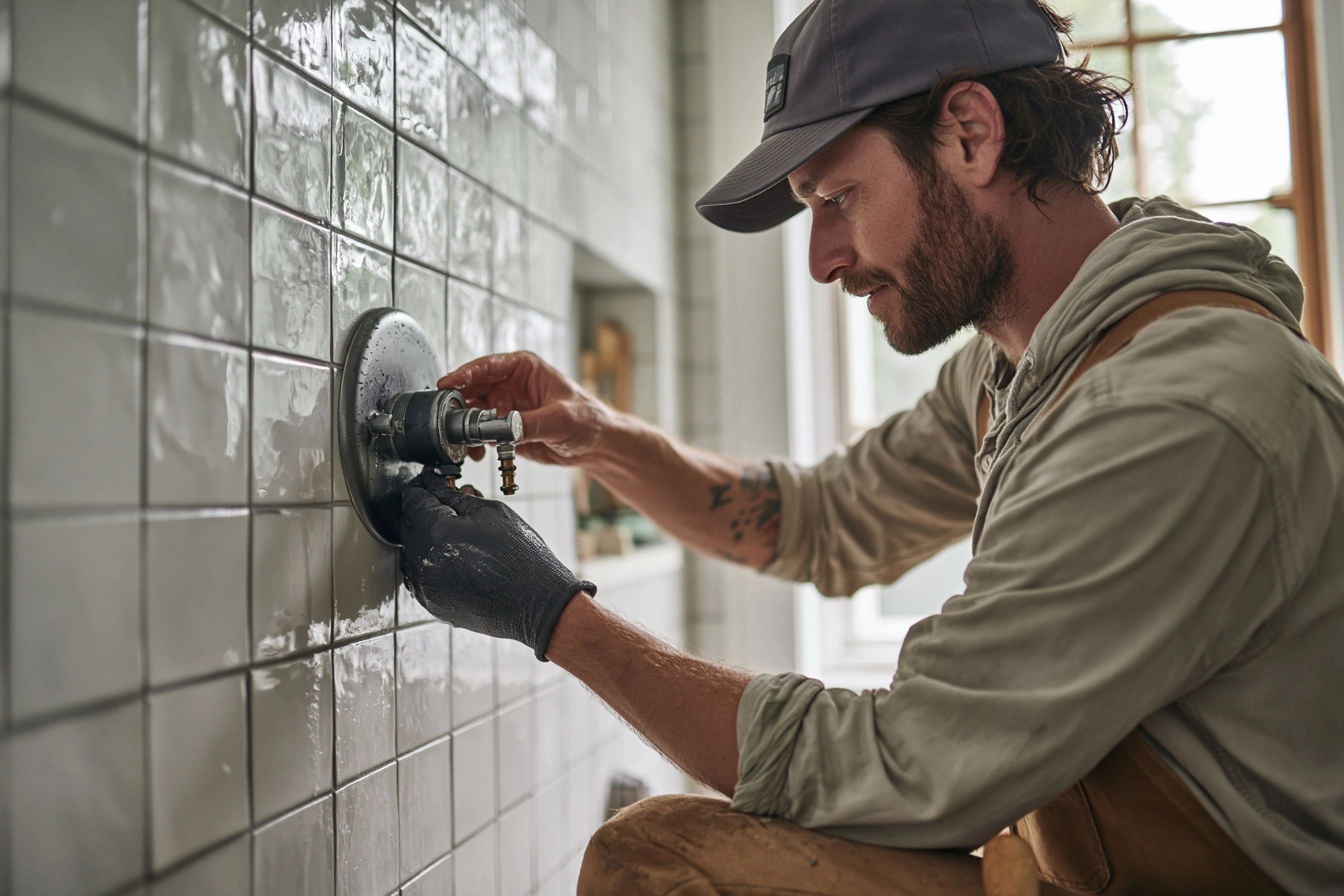
Water that drips from the showerhead after the handle is off, or a handle that no longer turns smoothly, means worn parts in the valve behind the tile. The plumber removes the trim plate to reach them.
A disposal comes in for repair when the motor hums without turning, when it leaks from underneath or when a jam keeps coming back. Each ends in a repair or a new unit connected to power and to the sink drain.
State law lets a new toilet, a kitchen or bathroom faucet, a fill valve, a garbage disposal or a leak repair go ahead without a permit in a city of more than 5,000 people.
The jobs the state exempts from a permit include water closets, garbage disposals, ballcocks or water control valves, leak repair, and lavatory or kitchen faucets. For a valve, ask Rockwall’s Building Inspections office whether a permit is needed.
Fixture problems that turn out to be a clogged line move to drain cleaning, those that turn out to be hidden water move to leak detection, and the homepage lists the remaining services.
Call us to discuss your current issue and how we can assist you. The call is free and you get a free, personalized estimate with no obligation. We're here to help.
Call (855) 321-3426